How to Start a Commonplace Book
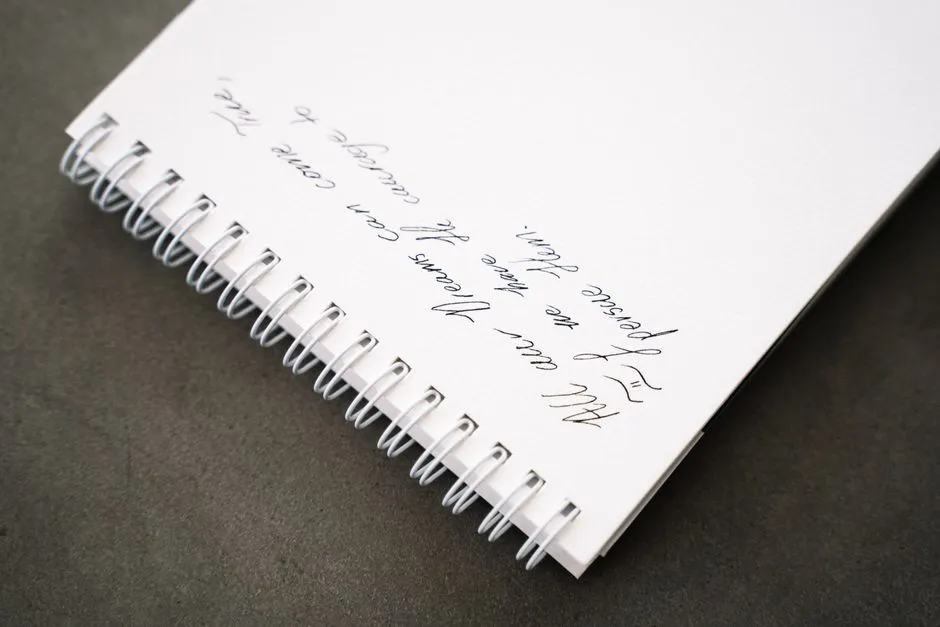
Start with one page, one source, and one reason
A commonplace book is a personal collection of passages, ideas, and observations copied for later use. To start one, choose a notebook or searchable digital file, reserve a simple index, and record each passage with its author, work, location, date encountered, and your reason for keeping it. The source note is what turns a loose sentence into a retrievable thought.
There is no required binding, app, handwriting style, or leather-bound atmosphere. The best commonplace book is the one you will open while reading instead of postponing until your stationery develops a personal brand.
Choose the lowest-friction format
Paper gives you a focused surface and flexible page layout. A digital document or notes app makes searching, copying citations, and adding links easier. A hybrid works too: write by hand, then photograph or index the pages you most want to retrieve.
Begin with tools you already own. Do not spend a month comparing systems before saving a single line. If privacy, long-term access, or backup matters, consider where a digital service stores data and how you can export it. For paper, keep the book away from water, direct sun, and the bottom of a bag containing an optimistic banana.
Browse quotation practice for more ways to make saved language usable.
Give every entry a source address
Write the passage exactly as printed, preserving wording and indicating any omission. Then record:
- Author or speaker.
- Title of the work or event.
- Edition, publisher, and year when relevant.
- Page, chapter, section, timestamp, or stable link.
- Translator for translated work.
- Date you encountered it.
Add quoted by when your source reproduces someone else's words and you have not checked the original. This small label prevents a secondary citation from dressing up as eyewitness testimony.
If you copied a sentence from memory, mark it as a paraphrase until you check. Use our quote-verification guide before publishing or attributing it confidently.
Add context and your own response
Copy enough surrounding information to remember what the passage is doing. Is it an argument, joke, character's speech, definition, description, or claim the author later challenges? A beautiful sentence removed from a rebuttal can become a very elegant misunderstanding.
Below the passage, add two or three lines in your own words: why it caught you, what it connects to, whether you agree, and where you might use the idea. Visually separate your response from the copied text so future-you does not accidentally promote your margin note into the author's collected wisdom.
Keep quotations brief enough for your purpose and respect applicable copyright rules. A personal research notebook and a public commercial compilation do not carry identical considerations.
Use a small indexing system
Number paper pages and reserve two or three pages at the front or back for an index. Add broad topics such as attention, friendship, work, place, craft, or doubt, followed by page numbers. Digital users can apply a few consistent tags.
Avoid creating forty categories on day one. Let repeated themes emerge from actual entries. One passage can receive several index terms, and a cross-reference can connect related pages. Retrieval matters more than producing a flawless taxonomy of thoughts you have not collected yet.
For longer books, give each volume a date range and continue the index in a separate document. That lets a shelf of notebooks function as one collection.
Review by making something small
Once a week or month, revisit a handful of entries. Add a cross-reference, correct a citation, or write a short paragraph connecting two passages. Review converts collection into thought; otherwise the notebook can become a tasteful waiting room for sentences.
Try a narrow prompt: What have I collected about patience? Which two authors disagree about success? Which description changes how I see an ordinary place? Follow the question through your index rather than rereading every page.
Visit quote research when an entry needs stronger attribution. If your system becomes burdensome, remove fields rather than abandoning the practice. Keep the exact words, their source, and your reason. Everything else is furniture, and the room can be rearranged.